iGaming
The Math and Magic Behind Modern Casino Games
Pull up a chair at any online poker table and you'll notice something within minutes: the players who consistently win aren't the ones hitting miracle rivers. They're the ones who understand expected value, position, and tilt control. That same principle applies across the entire iGaming landscape. Whether you're spinning a slot, betting a Premier League fixture, or grinding micro-stakes poker, success starts with understanding what you're actually up against.
Let's cut through the noise and talk about how these games really work beneath the surface.
Slot Machines: RTP, Volatility, and Why Both Matter
Every slot you load has two numbers baked into its code that tell you more about the experience than any promotional banner ever will: return to player (RTP) and volatility.
RTP is the percentage of all wagered money a machine returns to players over millions of spins. A slot with 96% RTP theoretically gives back $96 for every $100 wagered. But here's the catch most players miss—that's a long-term statistical average, not a promise for your session. You could hit a 500x multiplier in your first ten spins or bleed your bankroll over three hours without a single bonus round.
Volatility (sometimes called variance) determines how that RTP gets distributed:
- Low volatility: Frequent small wins. Think 0.5x to 5x your stake. Good for grinding, bad for dreamers.
- Medium volatility: A balanced mix. Typical hit frequency around 25–30% of spins.
- High volatility: Rare but massive payouts. Games like Money Train 3 or San Quentin xWays can go 200+ spins without a meaningful win, then pay 5,000x.
The practical takeaway: if you have a $50 bankroll, playing a high-volatility slot with $2 spins is a recipe for a five-minute session. Match your stake to your bankroll and the game's variance. A common rule among experienced players is having at least 100–200 betting units available for high-volatility play.
Sports Betting: The Vig and Why Line Shopping Isn't Optional
Sports betting feels more skill-driven than slots, and it can be—but only if you respect the math. The bookmaker's edge is built into the odds, and it's called the vig or juice.
Let's say a tennis match is priced at -110 for both players. That means you need to wager $110 to win $100. Convert that to implied probability and each side sits at 52.4%, totaling 104.8%. The extra 4.8% is the book's margin. Over hundreds of bets, that margin is what separates profitable bettors from recreational ones. See L'Avenue Dubai for a side-by-side comparison.
Here's where it gets interesting. Lines vary between sportsbooks, sometimes by 2–5% on the same market. That difference is enormous long-term. Example:
- Book A prices Team X at -115.
- Book B prices the same team at -105.
- Over 100 bets of $100 each, Book B saves you roughly $450 in vig alone.
Line shopping is the single easiest edge in sports betting. It requires no advanced modeling, just accounts at multiple books and thirty seconds of comparison before placing a bet.
Beyond that, understanding closing line value (CLV) is what separates sharp bettors from the rest. If you consistently beat the closing odds—the final price before an event starts—you're likely a long-term winner, even if short-term results look ugly.
Poker: Where Skill Actually Compounds
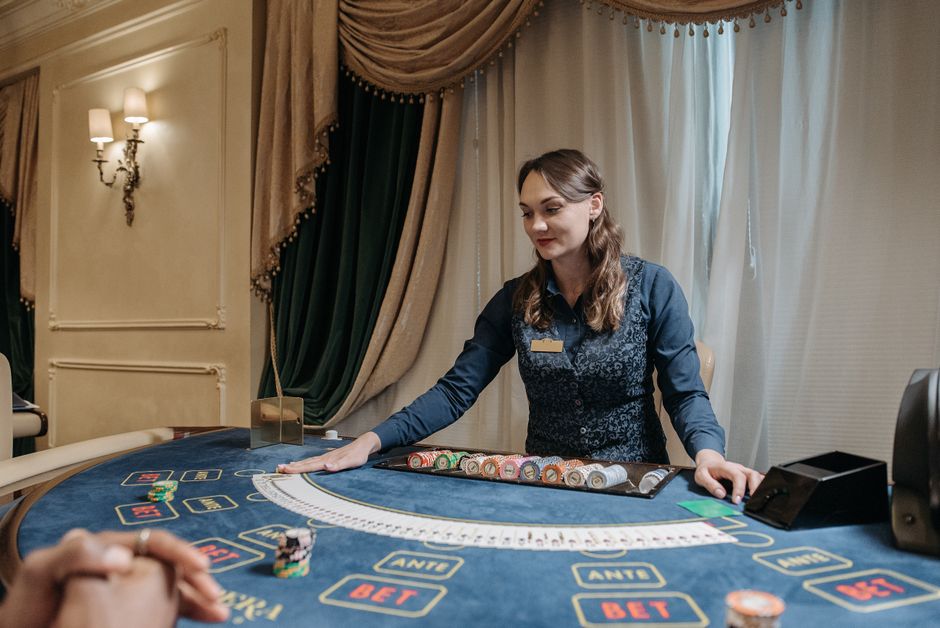
Poker is the one game in the iGaming ecosystem where a skilled player can sustain a genuine edge over thousands of hands. But the edge is smaller than beginners expect.
A solid winning player at mid-stakes cash games might earn 5 to 8 big blinds per 100 hands. If you're playing $1/$2 no-limit hold'em, that's $10–$16 per 100 hands. Over 30,000 hands in a month—very achievable for a semi-serious grinder—that's $3,000–$4,800. Respectable, but it requires discipline, study, and volume.
Key concepts that actually move the needle:
- Position: Acting last gives you information. The button is the most profitable seat at the table, period.
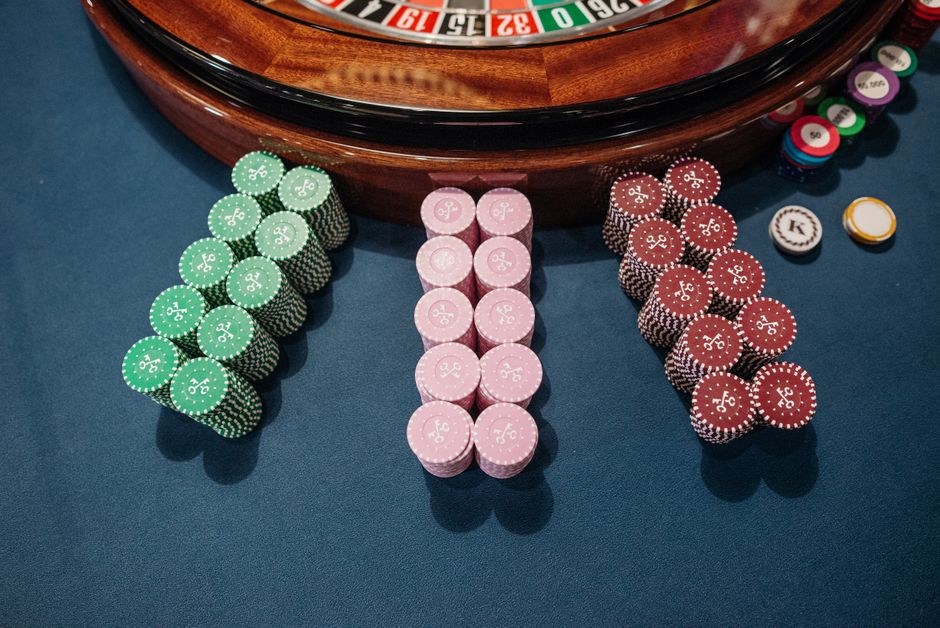
- Bankroll management: Standard guidance is 20–30 buy-ins for cash games and 100+ buy-ins for tournaments. Ignore this and variance will end you.
- Range thinking: Stop asking "what do they have?" Start asking "what hands would they play this way?"
- Tilt control: The fastest way to lose a week's profit is a bad beat followed by revenge betting.
Online poker also brings trackers and HUDs (heads-up displays) into play at most stakes, giving you real-time statistics on opponents. Knowing a player folds to 70% of three-bets tells you exactly when to apply pressure.
The House Edge: A Quick Comparison Across Formats
Not all games are created equal. Here's a rough look at where your money goes:
- Blackjack (basic strategy): 0.5% house edge
- Baccarat (banker bet): 1.06%
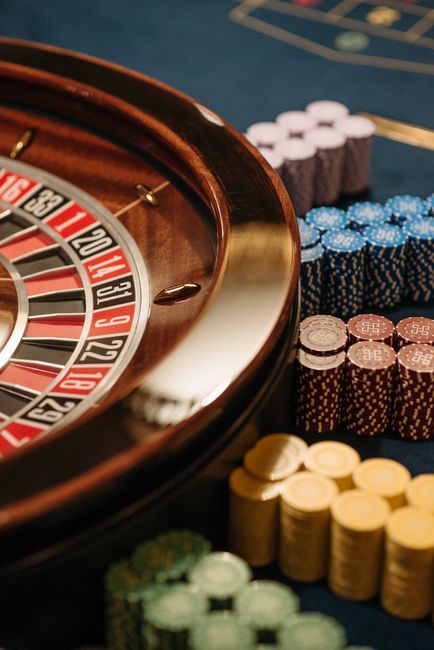
- European roulette: 2.7%
- Online slots: 2–8% (depending on RTP)
- American roulette: 5.26%
- Keno: 20–35%
If you care about longevity, games with lower house edges and skill components give you more playtime per dollar. If you're chasing jackpots, understand you're paying for that dream in expected value.
Regulation, Licensing, and Why They Protect You
One thing serious players never skip: checking who licenses the platform. Reputable operators carry credentials from bodies like the UK Gambling Commission, Malta Gaming Authority, or the Jersey Gambling Commission. These regulators enforce:
- Random number generator (RNG) audits
- Segregated player funds
- Published RTP figures
- Dispute resolution mechanisms
Playing at unlicensed sites is the fastest way to discover what "no recourse" really means when a withdrawal gets denied.
Final Thoughts
The iGaming world rewards curiosity and punishes impulsiveness. Every format—slots, sports betting, poker—has its own rhythm and its own math. The players who last aren't the luckiest; they're the ones who studied the numbers, managed their bankrolls, and treated the games as a long-term pursuit rather than a short-term thrill. Whether you're grinding cash games or hunting a jackpot, the fundamentals don't change: know your edge, control your risk, and never bet money you can't afford to lose.
Get those three right and the rest becomes a lot more enjoyable.