Tree Care
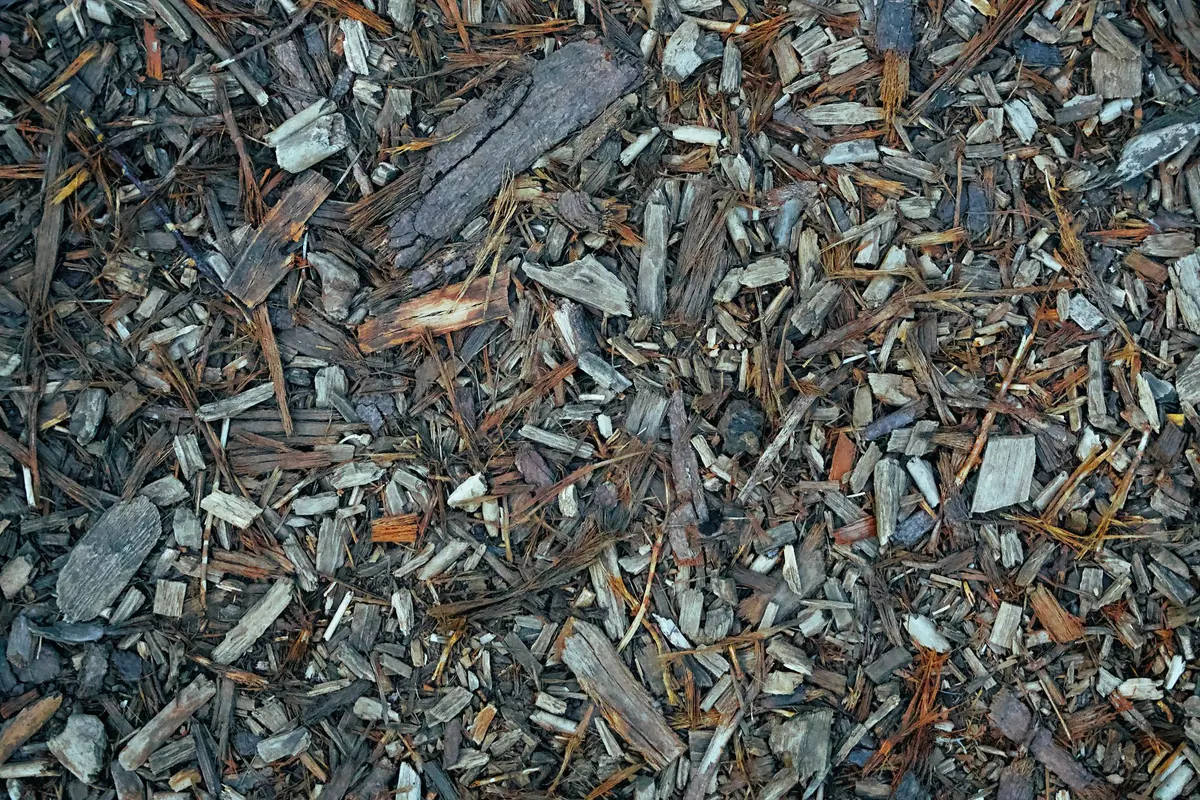
Mulch Volcanoes and Other Common Tree Mulching Mistakes to Avoid
There is one shape in a landscape that announces a careless mulch job from across the street: a cone of shredded bark heaped against a tree trunk, a foot deep or more, looking tidy to anyone driving past. It's called a mulch volcano, and it's one of the most common ways a well-meaning homeowner or landscaping crew does slow, lasting damage to a tree. Mulch itself is good. Mulch in the wrong depth and the wrong place is not. The difference takes five minutes to learn, and once you know it, you'll see volcanoes on nearly every block.
What a Mulch Volcano Actually Does
Tree roots need air. The fine feeder roots that take up water and nutrients live in the top foot or so of soil, where oxygen moves freely and rain drains away. Pile eight or twelve inches of mulch on top of that zone and you smother it. Oxygen exchange slows, water collects, and the mulch itself decomposes — a process that consumes still more oxygen and, in wet conditions, creates a sour, airless layer that smells like a swamp when you dig into it. A tall mound also sheds rain sideways before it can soak in, so the tree can end up both suffocated and short of water.
Roots don't die overnight. They decline a few at a time, season after season. The first visible symptoms may not show up for years: shorter twigs, smaller leaves, a thinning canopy, branches dying back from the tips. By then the damage is often advanced.
Bark Is Not Built to Be Buried
Trunk bark is not root bark. It is adapted to air, drying out between rains and shedding water rather than soaking it up. Keep it permanently damp under a layer of mulch and it stays soft and inviting. Fungi and bacteria that need constant moisture — the ones behind cankers and wood rot — get exactly the conditions they want, and the decay usually starts right where the mulch sits and works inward.
Below the bark line sits the root flare, the gentle widening where trunk meets roots. It's a transition zone meant to be above ground, exposed to air. Bury it and you invite trouble. Buried flares are one of the leading causes of girdling roots: roots grow up into the moist mulch, circle the trunk, and slowly press into the bark as both expand. On grafted trees, burying the graft union can also lead to weak growth and suckering below the graft.
There's a wildlife angle too. A deep ring of mulch is prime winter housing for voles and mice, which tunnel through it and gnaw bark at the base of the tree. On a young tree with thin bark, that damage can girdle the trunk completely before spring.
Other Mulching Mistakes Worth Fixing
Mulching too deep
Two to four inches is the range, measured after the mulch settles. More is not better. Fine-textured mulch and heavy clay soil call for the shallower end, because both slow the movement of air and water.
Mulching too narrow
A small ring at the foot of a tree does little good, because the roots that need protection reach far beyond the trunk — typically at least to the dripline, and often further. A two-inch layer spread wide beats a six-inch pile at the trunk every time. Ideally, the bed grows a little wider each year as the tree does.
Using material that mats or never breaks down
Fresh sawdust, finely ground mulch, and anything that packs into a water-shedding crust all defeat the purpose. Coarse arborist wood chips, aged bark, and composted leaves are better choices; they hold air, let water through, and feed soil life as they break down. Fresh wood chips are fine on the surface — just don't dig them into the soil. Tire-derived rubber mulch adds nothing to the soil and is best left to playgrounds. And skip the plastic sheeting underneath; it blocks the oxygen and water you're trying to keep moving.
Layering new mulch over old problems
Piling fresh mulch on top of weeds, matted old mulch, or black plastic simply builds a wet, airless sandwich. Pull or smother the weeds first, rake the old layer to break up any crust, then add material only if the depth has dropped below two inches.
How to Mulch a Tree the Right Way
If you remember one thing, remember the shape: a flat donut, not a cone.
- Find the root flare. Follow the trunk down until it widens into the first major roots. That point should stay visible.
- Clear whatever covers it. If mulch or soil has been piled there, pull it back with your hands or a hand trowel.
- Spread mulch two to four inches deep, evenly, with no mound against the trunk.
- Leave a gap. Keep mulch three to six inches away from the bark so the flare gets air.
- Go wide. Extend the ring to the dripline or beyond, especially on young trees.
- Fluff, don't stack. Each year, rake the old mulch to break up the crust and check the depth with your fingers or a trowel. Top up only if it has thinned below two inches.
Shrubs and young trees get the same treatment: mulch around, never against.
Repairing a Mulch Volcano You Already Have
This is an afternoon job, and it's one of the more satisfying fixes in tree care. Work carefully, because the bark at the base may already be soft and easy to wound:
- Pull the mulch back into a wide, shallow ring. If the pile is enormous, spread the material out over a few passes rather than stripping it all in one go.
- Use your hands and a trowel near the trunk. A shovel or rake handle can slice bark that is already compromised.
- Remove soil, not just mulch, if the trunk has been buried. Take it down in stages over several weeks; don't hose it off, which only adds water to a wet situation.
- Hold off on fertilizer. Feeding a stressed tree pushes top growth the damaged roots can't support.
- Look for circling roots pressing into the trunk. A small one you can confidently redirect is fine to handle; anything substantial on a mature tree is a job for a certified arborist.
- Check the soil before watering. Removing a thick mulch layer changes how fast the ground dries out.
Wide and Shallow Wins
A properly mulched tree gets steadier soil temperature, better moisture retention, real weed suppression, and slowly improving soil as the organic matter breaks down — all from a layer you can measure with your knuckles. Walk your trees once a year, in spring, and check two things: that the root flare is visible and that the mulch is no deeper than your hand is wide. If a tree has been buried for years and is showing decline, have an ISA certified arborist look at it before you take any drastic action. Most mulch mistakes are reversible. The earlier you catch them, the more of the tree you get to keep.
Photo: Mike Bird / Pexels